
London remains one of the most influential global hubs for Fast-Moving Consumer Goods (FMCG) companies. In 2026, the sector is evolving rapidly, driven by consumer demand shifts, sustainability pressures, and digital transformation.
This guide is designed not only for everyday readers but also for investors and market researchers, offering a detailed look at the top FMCG companies in London, their growth potential, risks, and future outlook.
What Is the FMCG Market Outlook in the UK for 2026?
The UK FMCG sector continues to demonstrate resilience despite economic pressures such as inflation and supply chain disruptions.
Key highlights:
- Strong demand for essential goods
- Growth in private-label competition (Tesco, Aldi, Lidl)
- Rising demand for sustainable and health-focused products
- Expansion of e-commerce and direct-to-consumer channels
For investors, FMCG remains a defensive sector, meaning it performs relatively well even during economic downturns.
Why Should Investors Pay Attention to FMCG Companies in London?
London-based FMCG companies offer:
- Global diversification – revenue streams across multiple markets
- Strong brand equity – trusted household names
- Stable cash flow – consistent demand for everyday products
- ESG leadership – strong sustainability commitments
For general readers, this means these companies are the brands you interact with daily, while for investors, they represent long-term stability and growth potential.
Top 10 Fast-Moving Consumer Goods (FMCG) Companies in London, UK
1. Unilever

Unilever, established in 1929, is one of the world’s largest FMCG companies, operating in over 190 countries and serving around 3.4 billion consumers daily through its diverse portfolio of 400+ brands. Headquartered in London, the company spans food, personal care, and home care sectors, making it deeply embedded in everyday life globally.
Unilever is strongly focused on sustainability, aiming for net-zero emissions by 2039 while improving health, hygiene, and livelihoods worldwide. In 2026, its strategy is aligned with key trends such as plant-based products, premiumisation, and eco-friendly packaging innovation.
Investor Insights:
- Strong ESG positioning attracts institutional investors
- Diversified global portfolio reduces risk
- Consistent dividend-paying company
Growth Drivers (2026):
- Plant-based food expansion
- Premium personal care products
- Emerging market growth
Risks:
- Raw material cost inflation
- Currency fluctuations
Unilever
📍 Headquarters: 100 Victoria Embankment, London, EC4Y 0DY, United Kingdom
🌐 Website: www.unilever.co.uk
💰 Revenue: ~€59.6 billion (latest annual revenue, approx. £51+ billion)
2. Diageo
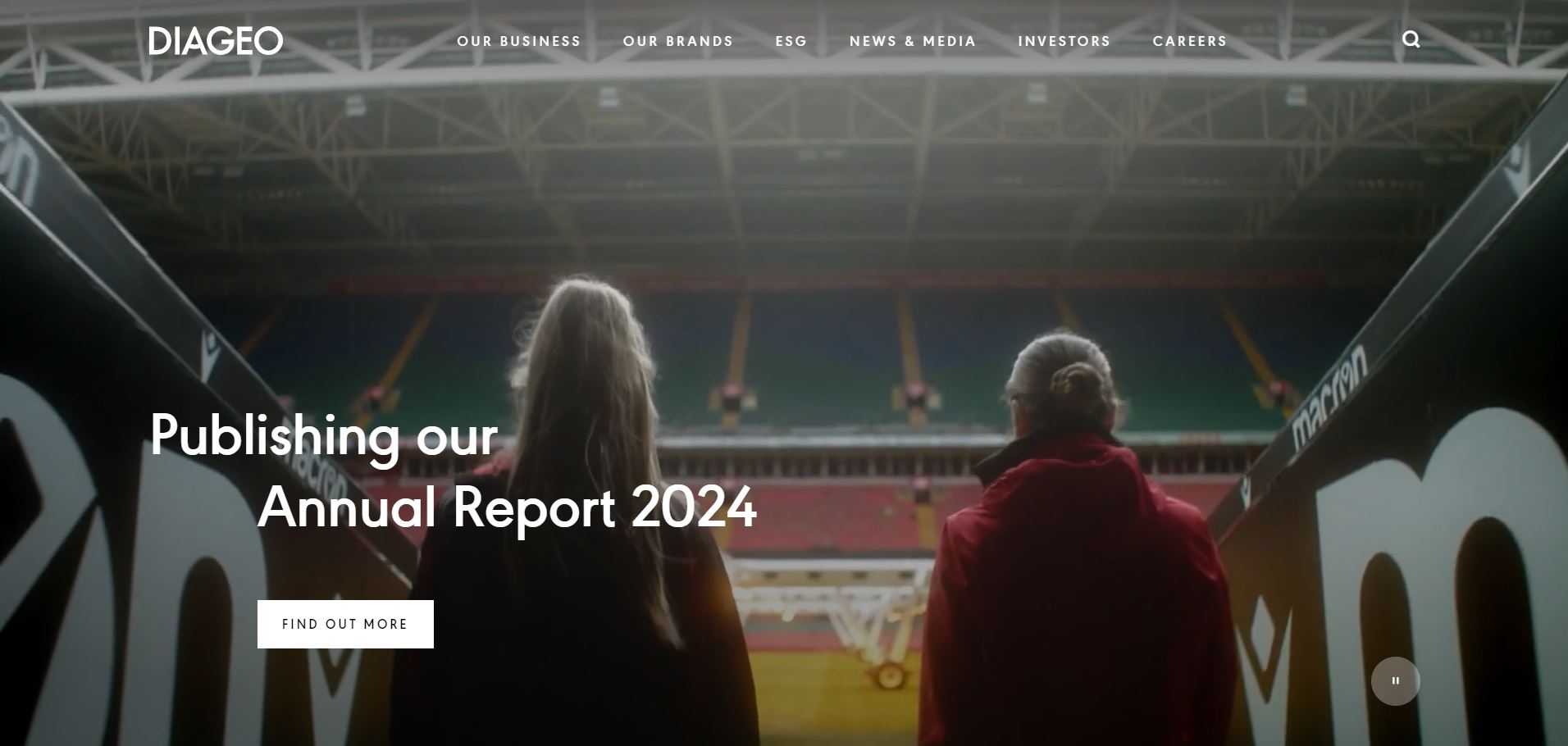
Diageo, established in 1997, is one of the world’s leading premium drinks companies, operating in over 180 countries with a portfolio of iconic global brands. The company serves millions of consumers worldwide daily through its spirits and beer categories, including Johnnie Walker, Guinness, and Smirnoff.
Headquartered in London, Diageo has built a strong reputation for premiumisation, brand power, and global distribution excellence. In 2026, its strategy is focused on premium spirits growth, low and no-alcohol innovation, and sustainable production practices.
Investor Insights:
- High margins driven by premium pricing strategy
- Strong global distribution and brand portfolio
- Resilient demand across economic cycles
Growth Drivers (2026):
- Expansion of premium and luxury spirits
- Growth in alcohol-free and low-alcohol beverages
- Emerging market demand
Risks:
- Regulatory and taxation pressures
- Changing consumer drinking habits
Diageo
📍 Headquarters: 16 Great Marlborough Street, London, W1F 7HS, United Kingdom
🌐 Website: www.diageo.com
💰 Revenue: ~£17.1 billion (latest annual revenue)
3. Reckitt Benckiser
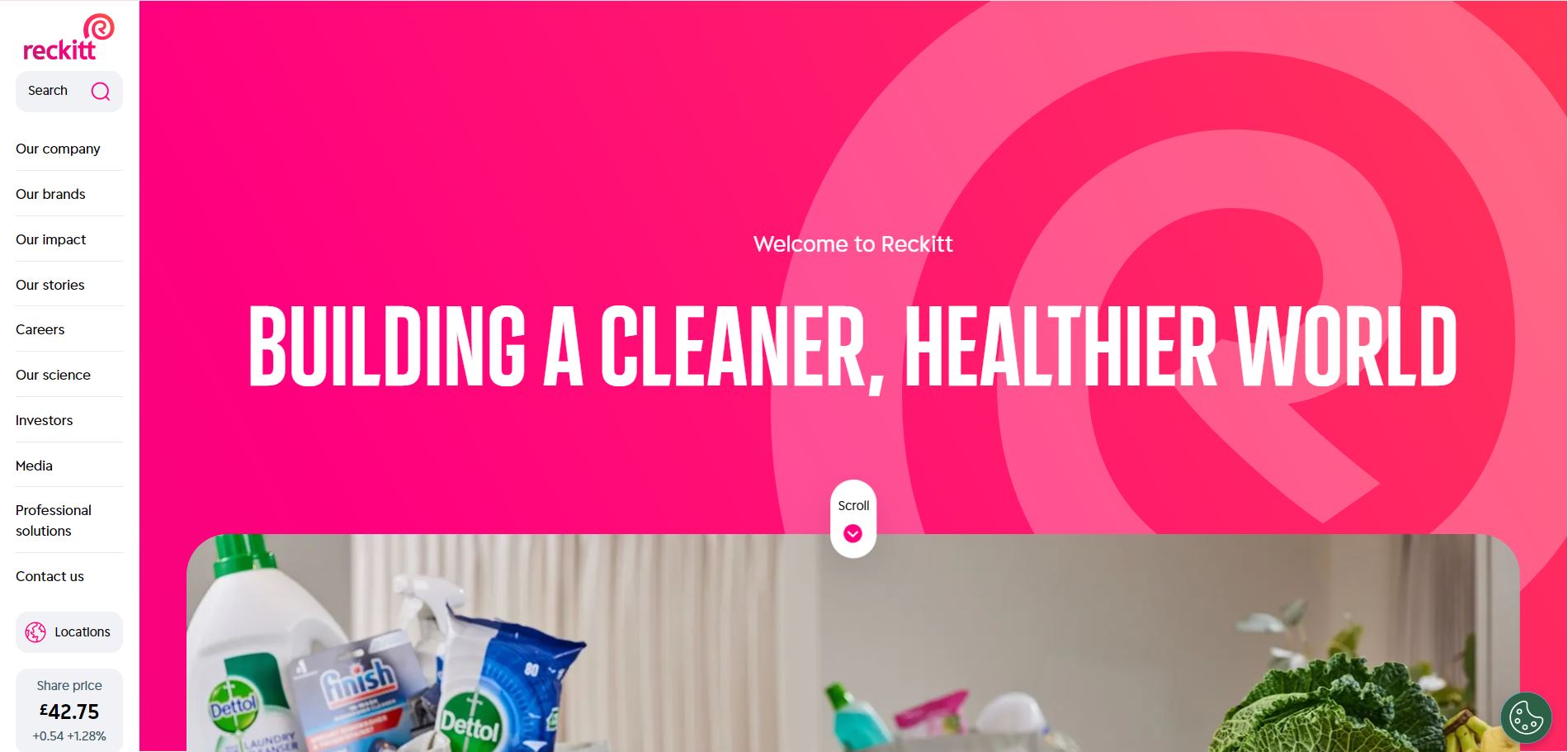
4. Mondelez International
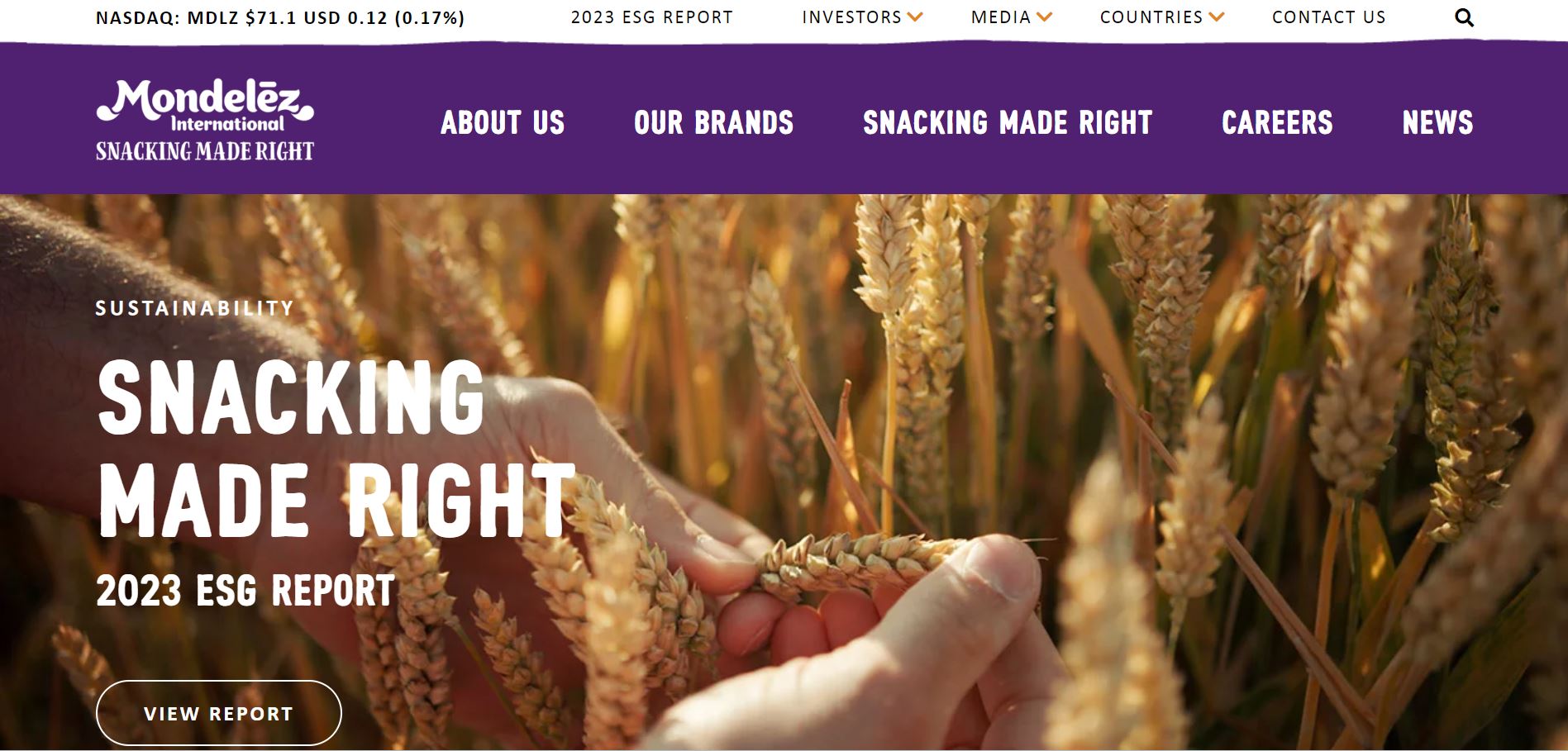
Mondelez International, established in 2012 (following a spin-off from Kraft Foods), is a global snacking leader operating in over 150 countries and serving millions of consumers daily.
The company owns some of the world’s most recognised brands, including Cadbury, Oreo, and Toblerone, with a strong presence in the UK market. Mondelez focuses heavily on the growing global demand for convenient snacking products. In 2026, its strategy is aligned with trends such as healthier snacking, premium product innovation, and sustainable ingredient sourcing, particularly in cocoa.
Investor Insights:
- Strong brand loyalty and repeat purchase behaviour
- High margins in premium and branded snacks
- Global scale with strong emerging market presence
Growth Drivers (2026):
- Expansion of low-sugar and healthier snack options
- Premium chocolate and biscuit segments
- Growth in emerging markets
Risks:
- Commodity price volatility (especially cocoa)
- Increasing health-conscious consumer behaviour
Mondelez International
📍 Headquarters: Chicago, Illinois, USA (with major UK presence in Uxbridge, London)
🌐 Website: www.mondelezinternational.com
💰 Revenue: ~$36.0 billion (latest annual revenue)
5. Associated British Foods (ABF)
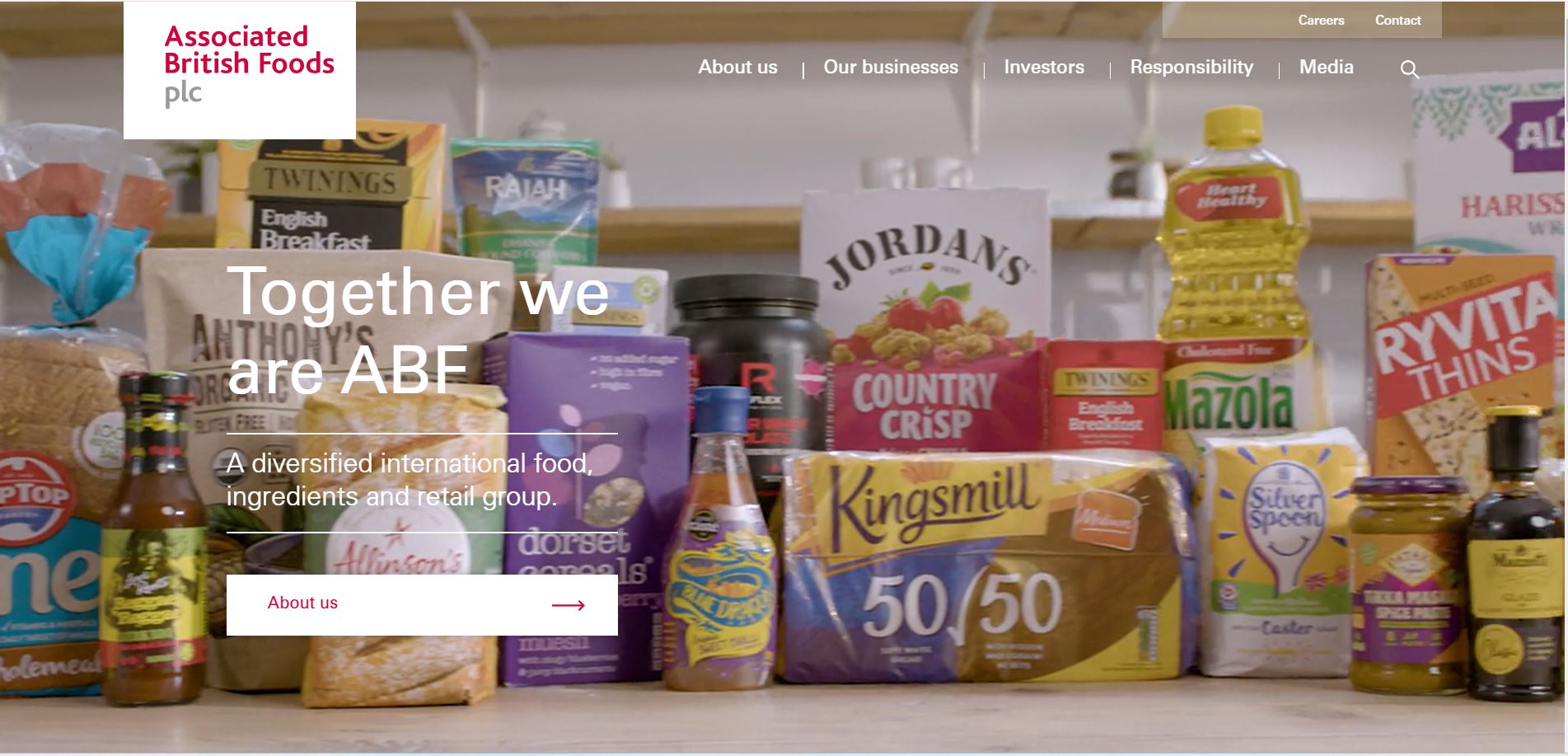
Associated British Foods (ABF), established in 1935, is a highly diversified FMCG group operating in over 50 countries with a broad portfolio spanning food production, ingredients, agriculture, and retail.
The company reaches millions of consumers daily through well-known brands like Twinings, Kingsmill, and Jordans, alongside its major retail arm, Primark. Headquartered in London, ABF benefits from a balanced business model that reduces reliance on a single sector. In 2026, its strategy aligns with trends such as value retail growth, supply chain efficiency, and sustainable agriculture practices.
Investor Insights:
- Diversified business model reduces sector-specific risk
- Strong retail performance driven by Primark
- Stable grocery and ingredients divisions
Growth Drivers (2026):
- Expansion of Primark across Europe and new markets
- Operational efficiency improvements
- Growth in food and ingredients segments
Risks:
- Retail sector volatility (Primark dependency)
- Rising input and supply chain costs
Associated British Foods (ABF)
📍 Headquarters: 10 Grosvenor Street, Mayfair, London, W1K 4QY, United Kingdom
🌐 Website: www.abf.co.uk
💰 Revenue: ~£19.8 billion (latest annual revenue)
6. British American Tobacco (BAT)
British American Tobacco (BAT), established in 1902, is one of the world’s largest tobacco and nicotine companies, operating in over 180 markets and serving millions of adult consumers globally. Headquartered in London, BAT has historically been a dominant player in traditional tobacco but is now rapidly transitioning towards reduced-risk products such as vaping and heated tobacco devices.
In 2026, the company is focused on transforming its business model through innovation, aiming to build a “smokeless future” while aligning with sustainability and regulatory expectations.
Investor Insights:
- High dividend yield attracts income-focused investors
- Strong cash flow from traditional tobacco business
- Growing revenue from next-generation products (NGPs)
Growth Drivers (2026):
- Expansion of vaping and heated tobacco products
- Investment in scientific research and innovation
- Increasing adoption of reduced-risk alternatives
Risks:
- Strict global regulatory pressures
- Declining demand for traditional tobacco products
British American Tobacco (BAT)
📍 Headquarters: Globe House, 4 Temple Place, London, WC2R 2PG, United Kingdom
🌐 Website: www.bat.com
💰 Revenue: ~£27.3 billion (latest annual revenue)
7. Imperial Brands
Imperial Brands, established in 1901, is a major UK-based tobacco company operating in over 120 markets worldwide and serving millions of adult consumers. Headquartered in Bristol, the company has a strong portfolio of traditional tobacco brands alongside a growing presence in next-generation products such as vaping (blu).
In recent years, Imperial Brands has focused on simplifying its operations and concentrating on key markets. In 2026, its strategy is aligned with trends such as reduced-risk products, cost efficiency, and portfolio optimisation.
Investor Insights:
- Strong cash generation from core tobacco business
- Improved margins through cost optimisation
- Focused strategy on key growth markets
Growth Drivers (2026):
- Expansion of vaping products (blu brand)
- Operational efficiency and cost control
- Strengthening presence in core regions
Risks:
- Regulatory restrictions on tobacco and vaping
- Competitive pressure from global players and alternatives
Imperial Brands
📍 Headquarters: 121 Winterstoke Road, Bristol, BS3 2LL, United Kingdom
🌐 Website: www.imperialbrandsplc.com
💰 Revenue: ~£32.5 billion (latest annual revenue)
8. Nestlé UK

Nestlé, established in 1866, is the world’s largest food and beverage company, operating in over 185 countries and serving billions of consumers daily through a vast portfolio of products. In the UK, Nestlé has a strong presence with popular brands like KitKat, Nescafé, and Purina.
The company is globally recognised for its focus on nutrition, health, and wellness, alongside continuous product innovation. In 2026, Nestlé’s strategy aligns with key trends such as healthier food reformulation, plant-based expansion, and sustainable sourcing of ingredients like cocoa and coffee.
Investor Insights:
- Highly diversified global portfolio reduces risk
- Strong brand equity and customer loyalty
- Consistent long-term growth and stability
Growth Drivers (2026):
- Expansion of health-focused and functional foods
- Growth in plant-based and sustainable products
- Strong performance in emerging markets
Risks:
- Slower growth in mature markets
- Increasing competition from private-label brands
Nestlé UK
📍 Headquarters: Vevey, Switzerland (UK Office: Gatwick, United Kingdom)
🌐 Website: www.nestle.co.uk
💰 Revenue: ~CHF 93.0 billion (approx. £82+ billion)
9. Coca-Cola Europacific Partners
10. PZ Cussons
PZ Cussons, established in 1884, is a British FMCG company operating in over 30 countries, with a strong presence in personal care, hygiene, and beauty products. The company serves millions of consumers daily through trusted brands such as Carex, Imperial Leather, and Original Source.
Headquartered in Manchester, PZ Cussons has built a reputation for quality and innovation in everyday consumer products. In 2026, its strategy aligns with trends such as hygiene awareness, sustainable sourcing, and expansion into emerging markets, particularly in Africa and Asia.
Investor Insights:
- Strong brand recognition in hygiene and personal care
- Growth potential in emerging markets
- Focus on product innovation and consumer trust
Growth Drivers (2026):
- Increased demand for hygiene products
- Expansion into high-growth international markets
- Development of sustainable and eco-friendly products
Risks:
- Exposure to currency fluctuations in emerging markets
- Competitive pressure from larger FMCG players
PZ Cussons
📍 Headquarters: Manchester Business Park, Aviator Way, Manchester, M22 5TG, United Kingdom
🌐 Website: www.pzcussons.com
💰 Revenue: ~£650–700 million (latest annual revenue range)
How Do These FMCG Companies Compare for Investors?
| Company | Strength | Risk Level | Growth Outlook |
| Unilever | Global scale | Medium | High |
| Diageo | Premium brands | Low | High |
| Reckitt | Health focus | Medium | High |
| Mondelez | Snacking demand | Medium | High |
| ABF | Diversification | Medium | Stable |
| BAT | High dividends | High | Medium |
| Imperial | Cost efficiency | High | Medium |
| Nestlé | Stability | Low | Stable |
| Coca-Cola EP | Distribution power | Low | Stable |
| PZ Cussons | Niche growth | Medium | Medium |
What Are the Key FMCG Investment Trends in 2026?
The FMCG sector in 2026 is being reshaped by structural changes in consumer behaviour, technology, and sustainability priorities. Investors are increasingly focusing on companies that can adapt quickly to these evolving trends while maintaining strong margins and brand loyalty.
ESG and sustainability investing
Environmental, Social, and Governance (ESG) factors are now central to investment decisions, with companies prioritising carbon reduction, ethical sourcing, and sustainable packaging gaining higher valuations.
Health-conscious consumer shift
Demand for low-sugar, organic, plant-based, and wellness-focused products continues to grow, pushing FMCG companies to reformulate and innovate their product lines.
Premium product growth
Consumers are trading up for higher-quality, premium products, allowing companies to improve margins and strengthen brand positioning.
Digital and e-commerce expansion
Online grocery, direct-to-consumer (DTC) models, and digital marketing are transforming how FMCG products are sold and distributed.
AI-driven supply chain optimisation
Companies are using artificial intelligence to forecast demand, reduce waste, improve logistics, and enhance operational efficiency.
What Risks Should Investors Consider in the FMCG Sector?
While FMCG is considered a defensive sector, it is not without risks. Investors must evaluate both macroeconomic and industry-specific challenges that can impact profitability and growth.
Inflation impacting profit margins
Rising costs of raw materials, energy, and logistics can reduce margins if companies are unable to pass costs onto consumers.
Strong competition from private labels
Supermarket-owned brands (e.g., Tesco, Aldi, Lidl) are becoming increasingly competitive, often offering lower prices and similar quality.
Regulatory changes
Government regulations on sugar content, tobacco products, advertising, and environmental practices can affect product lines and revenue streams.
Supply chain disruptions
Global events, geopolitical tensions, and logistics challenges can impact product availability and operational efficiency.
What Is the Future of FMCG Companies in London (2026 – 2030)?
The future of FMCG in London will be shaped by:
- Sustainable innovation
- AI and automation
- Personalised consumer experiences
- Expansion into emerging markets
Companies that adapt quickly will continue to dominate both UK and global markets.
Conclusion
The top FMCG companies in London are not just household names they are powerful global businesses with strong investment potential. For everyday readers, these brands shape daily life.
For investors, they represent a balance of stability, dividends, and long-term growth. Understanding these companies gives you a clear advantage in navigating the evolving FMCG landscape in 2026 and beyond.
FAQs About FMCG companies in London
What are FMCG companies in London?
FMCG companies in London produce fast-selling consumer goods like food, drinks, and personal care products used daily.
Which is the largest FMCG company in London?
Unilever is one of the largest FMCG companies in London based on global reach, revenue, and brand portfolio.
Why are FMCG companies attractive for investors?
FMCG companies offer stable demand, consistent cash flow, and long-term growth potential even during economic downturns.
Which FMCG company has the highest revenue globally?
Nestlé leads globally in FMCG revenue, followed by companies like Unilever and Coca-Cola.
Are FMCG stocks good for long-term investment?
Yes, FMCG stocks are considered defensive investments with steady returns and dividend income potential.
What trends are shaping the FMCG industry in 2026?
Sustainability, health-conscious products, premiumisation, and digital transformation are key FMCG trends in 2026.
Which FMCG companies focus most on sustainability?
Unilever, Nestlé, and Coca-Cola Europacific Partners are leading in sustainability and ESG initiatives.
How many FMCG companies operate globally?
There are thousands of FMCG companies globally, but only a few large multinational firms dominate the market.
What risks do FMCG companies face?
Major risks include inflation, supply chain disruption, regulatory changes, and increasing competition.
Which FMCG company is best for dividends?
Companies like British American Tobacco, Unilever, and Diageo are known for strong and consistent dividend payouts.