

Employee-owned companies have become a defining feature of London’s modern business environment. As organisations seek fairer ownership models, long-term stability, and stronger employee engagement, employee ownership has emerged as a credible and proven alternative to traditional corporate structures.
This guide explains how employee-owned companies operate in the UK, why they are growing rapidly in London, and highlights ten well-known employee-owned organisations with a strong presence in the capital.
What Is an Employee-Owned Company in the UK?

An employee-owned company is a business where employees collectively own a significant share, or the entirety, of the organisation. In the UK, this ownership is most commonly structured through an Employee Ownership Trust (EOT), although co-operatives and direct share ownership models are also used.
Under an EOT, company shares are held in trust for the benefit of all employees rather than being owned by individuals. This allows businesses to remain professionally managed while ensuring employees benefit financially and strategically from the company’s success. Employees do not usually manage daily operations, but they often have representation in governance structures and profit-sharing arrangements.
This model has been formally supported by UK legislation since 2014, making it a popular choice for founders looking to secure succession while preserving company values.
Why Are Employee-Owned Companies Gaining Popularity in London?

London has become a focal point for employee ownership due to its diverse economy, high business turnover, and evolving workforce expectations. Many business owners in the capital face succession challenges, particularly in professional services, retail, and consultancy sectors. Selling to employees offers a way to exit responsibly without sacrificing company culture.
From an employee perspective, ownership fosters stronger engagement, improved job satisfaction, and a sense of shared purpose. Research consistently shows that employee-owned businesses tend to be more resilient during economic uncertainty, which has increased interest following recent market volatility.
Government-backed tax incentives and growing awareness through organisations such as the Employee Ownership Association have further accelerated adoption across London-based businesses.
What Are the Top 10 Employee-Owned Companies in London?
1. Richer Sounds

Richer Sounds is a leading British home entertainment retailer renowned for its ethical business practices and commitment to customer service. The company became majority employee-owned in 2019 when founder Julian Richer transferred 60% of shares into an Employee Ownership Trust.
Staff benefit from a share in profits, and the company maintains high satisfaction ratings. Richer Sounds is known for its competitive pricing, extensive hi-fi and TV range, and no-commission sales approach. It operates a London Bridge store and several locations across the capital. The business has consistently ranked among the UK’s top ethical retailers.
- Website: www.richersounds.com
- Phone: 0333 900 0093
- Address: 100 London Road, London SE1 6LN
- Email: customerservices@richersounds.com
2. Arup
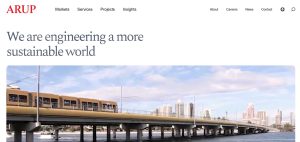
Arup is a global design and engineering consultancy headquartered in London. It became employee-owned under a trust model to promote long-term thinking and collaborative innovation.
Arup is internationally respected for its work on infrastructure, transport, and architectural projects including the Sydney Opera House and London’s Crossrail. Its employee ownership model fosters a culture of intellectual independence, sustainability, and cross-disciplinary collaboration. Arup employs over 6,000 people in the UK, with major offices in Fitzrovia, London.
- Website: www.arup.com
- Phone: +44 (0)20 7636 1531
- Address: 8 Fitzroy Street, London W1T 4BJ
- Email: info@arup.com
3. Riverford Organic Farmers

Riverford is an organic farm and delivery company best known for its vegetable box scheme. Though headquartered in Devon, it has significant distribution operations and customer bases in London. In 2018, founder Guy Singh-Watson sold the business to employees via a trust model.
The company focuses on sustainability, fair labour practices, and organic standards. Riverford’s employee ownership structure helps ensure ethical supply chains and a strong company ethos. It delivers to thousands of London homes weekly and offers seasonal subscription options.
- Website: www.riverford.co.uk
- Phone: 01803 227 227
- Address: Riverford Organic Farmers Ltd, Buckfastleigh, Devon TQ11 0JU (London distribution varies)
- Email: help@riverford.co.uk
4. Cambridge Weight Plan

Now operating as The 1:1 Diet by Cambridge Weight Plan, this business is an employee-owned weight management company offering personalised diet programmes through independent consultants.
Though its main headquarters is in Northamptonshire, it maintains consultant networks and offices across London. The company transitioned to employee ownership in 2014. It offers structured meal replacement plans and support, focusing on results through one-on-one guidance. The company is regulated by the UK’s Food Standards Agency and supports thousands of UK consultants.
- Website: www.one2onediet.com
- Phone: +44 (0)1536 403344
- Address: Hatton House, Hunters Road, Corby, Northants, NN17 5JE
- Email: admin@cambridgeweightplan.co.uk
5. John Lewis Partnership

The John Lewis Partnership is one of the UK’s largest and most iconic employee-owned companies, with more than 80,000 partners (employees) across John Lewis and Waitrose brands. The model was established by founder John Spedan Lewis in the 1920s and is structured as a trust, where employees share in annual profits, governance, and decision-making.
The business operates multiple large-format John Lewis stores and Waitrose supermarkets across London. Its employee engagement model is often cited as a benchmark in ethical retail.
- Website: www.johnlewispartnership.co.uk
- Phone: 020 7592 6994
- Address: 171 Victoria Street, London SW1E 5NN
- Email: customerserviceteam@waitrose.co.uk
6. Mott MacDonald
Mott MacDonald is a global engineering, development, and consultancy firm owned by its employees through a trust-based model. With its headquarters in Croydon, London, it has a workforce of over 16,000 globally.
The firm delivers high-impact infrastructure projects in sectors like transport, health, and energy. As an employee-owned company, Mott MacDonald focuses on ethical leadership, innovation, and long-term planning, avoiding the pressure of short-term shareholder demands. The London office plays a central role in project management and strategic consulting.
- Website: www.mottmac.com
- Phone: +44 (0)20 7651 0300
- Address: 10 Fleet Place, London EC4M 7RB
- Email: Contact Form
7. Childbase Partnership

Childbase is a leading provider of early years education, operating dozens of nurseries across the UK, including multiple in Greater London. It transitioned to full employee ownership in 2017 and places strong emphasis on staff training, sustainability, and child wellbeing.
Recognised consistently as one of the UK’s best places to work, Childbase’s ownership model allows staff to directly influence quality of care and internal policy. The company has received numerous awards for employee satisfaction and nursery excellence.
- Website: www.childbasepartnership.com
- Phone: 01908 211699
- Address: Kingston House, Woburn Road, Newport Pagnell MK16 8QP
- Email: info@childbase.com
8. Shaw Healthcare
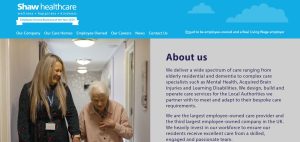
Shaw Healthcare is an employee-owned health and social care provider, delivering residential and domiciliary care services throughout the UK, including several facilities in London.
It became employee-owned in 2020, with a mission to improve care outcomes through empowered staff. Shaw supports elderly care, dementia services, and mental health rehabilitation. Its model ensures that employees have a say in governance, which contributes to stronger continuity of care and ethical management in a highly regulated industry.
- Website: www.shaw.co.uk
- Phone: 029 2036 4411
- Address: Shaw Headquarters, Ty Shaw, Links Business Park, Cardiff CF3 0LT
- Email: Contact Form
9. Aardman Animations

While famously based in Bristol, Aardman has a creative and commercial presence in London. It transitioned to employee ownership in 2018 to secure its independent future. Known globally for animation hits like Wallace & Gromit, Aardman prioritises creative freedom, staff development, and long-term continuity.
The decision to become employee-owned was influenced by the desire to resist external buyouts and preserve its unique storytelling legacy. Employees have direct influence over company direction and benefit from long-term profit-sharing.
- Website: www.aardman.com
- Phone: (0)117 984 8485
- Address: Gas Ferry Road, Bristol BS1 6UN
10. TTP Group

TTP Group is a Cambridge-based technology innovation and product development consultancy with key business operations in London. It operates under a fully employee-owned model, enabling scientists, engineers, and consultants to benefit directly from the success of innovations they help create.
The company works across sectors including biotech companies, healthcare, and communications. Employee ownership fosters long-term R&D investments and internal collaboration. TTP’s model emphasises autonomy and shared responsibility among its professionals.
- Website: www.ttp.com
- Phone: +44 1763 262626
- Address: TTP Campus, Cambridge Road, Melbourn, SG8 6HQ, UK
- Email: enquiries@ttp.com
Top Employee-Owned Companies
| Company Name | Industry | Ownership Model | London Presence | Known For |
| Richer Sounds | Retail | Employee Ownership Trust | Multiple stores | Ethical retail & profit sharing |
| Arup | Engineering & Design | Trust Ownership | London HQ | Global infrastructure projects |
| Riverford Organic Farmers | Food & Agriculture | Employee-Owned Trust | London distribution | Organic produce |
| Cambridge Weight Plan | Health & Nutrition | Employee-Owned | London offices | Weight management programmes |
| John Lewis Partnership | Retail | Employee-Owned Partnership | HQ & stores | Employee benefits & governance |
| Mott MacDonald | Consultancy | Employee-Owned | London HQ | Engineering consultancy |
| Childbase Partnership | Childcare | Employee-Owned | London nurseries | Early years education |
| Shaw Healthcare | Healthcare | Employee-Owned | London services | Care provision |
| Aardman Animations | Creative Media | Employee-Owned | London studio | Animation production |
| TTP Group | Technology Consultancy | Employee-Owned | London base | Innovation consultancy |
What Makes Employee-Owned Companies Different from Traditional Businesses?

Employee-owned companies operate with a fundamentally different mindset. Rather than prioritising short-term shareholder returns, these organisations focus on long-term sustainability and shared success. Employees benefit not only financially but also through increased transparency and involvement in company direction.
In many cases, staff report higher trust in leadership and stronger alignment between individual effort and organisational outcomes. This model often leads to lower staff turnover and more consistent service delivery, particularly in customer-facing sectors.
How Does Employee Ownership Affect Business Performance?

Multiple UK studies have shown that employee-owned companies frequently outperform traditional businesses in productivity, staff retention, and crisis resilience. Employees who understand that their work directly contributes to shared success tend to be more engaged and motivated.
In London’s competitive market, this can translate into better customer satisfaction, stronger brand loyalty, and improved financial stability. Employee ownership also encourages innovation, as staff are more willing to contribute ideas when they feel genuinely invested in the business.
What Challenges Do Employee-Owned Companies Face?

Despite its advantages, employee ownership is not without challenges. Transitioning to an employee-owned structure requires careful legal, financial, and cultural planning. Businesses must ensure governance frameworks are clear so that decision-making remains efficient while still allowing employee input.
There can also be an initial learning curve for employees who are unfamiliar with ownership responsibilities. Successful employee-owned companies invest heavily in communication and education to ensure staff understand how the model works.
How Can a London Business Transition to Employee Ownership?

The transition typically begins with a valuation and succession plan, followed by the creation of an appropriate ownership structure such as an EOT. Shares are then transferred into the trust, often funded through future company profits rather than upfront payments.
Professional advice is essential during this process. Many London-based legal and financial firms specialise in employee ownership transitions, and national organisations provide guidance to support both employers and employees through the change.
Which Organisations Support Employee Ownership in the UK?

The UK has a well-established support network for employee-owned businesses. The Employee Ownership Association offers guidance, training, and advocacy, while Co-operatives UK supports democratic ownership models. Government guidance is also available through GOV.UK, particularly for tax and legal considerations.
These organisations play a key role in promoting best practice and ensuring employee-owned companies operate transparently and sustainably.
What Is the Future of Employee-Owned Companies in London?

Employee ownership is expected to continue growing across London, particularly in sectors such as consultancy, healthcare, technology, and creative industries. As workforce expectations evolve and businesses prioritise ethical governance, employee-owned companies are likely to become an increasingly prominent part of the capital’s economy.
With continued policy support and rising awareness, London is well positioned to remain a leader in employee ownership across the UK.
Conclusion
Employee-owned companies demonstrate that commercial success and fair ownership can coexist. For employees, they offer stability, engagement, and a meaningful stake in the organisation’s future. For business owners, they provide a responsible succession option that preserves company culture and legacy.
In London’s dynamic business environment, employee ownership represents a sustainable and people-focused approach to long-term growth.
FAQs About Employee-Owned Companies
How does employee ownership benefit workers in the UK?
Employee ownership can improve job satisfaction, financial rewards, and involvement in decision-making, although benefits vary by company.
Are employee-owned companies legally protected in the UK?
Yes. EOTs and co-operatives operate within established UK legal frameworks and are supported by government legislation.
Do employee-owned companies still have managers and directors?
Yes. Most retain traditional management structures while incorporating employee representation.
Is employee ownership suitable for large businesses?
Yes. Large organisations such as John Lewis Partnership demonstrate that employee ownership can scale effectively.
How are profits shared in employee-owned companies?
Profits are commonly reinvested or distributed through bonuses, depending on company policy.
Can employees sell their ownership stake?
In EOTs, ownership is collective and not individually traded, ensuring long-term stability.
Where can businesses learn more about employee ownership?
The Employee Ownership Association and GOV.UK provide authoritative guidance and resources.