

London’s vast energy demands are met by a network of leading power generation companies supplying electricity from nuclear, gas, renewables, and waste-to-energy sources.
As the city advances toward Net Zero, these firms are critical in delivering reliable, sustainable power. This guide highlights the top 10 power generation companies in London, detailing their services, strengths, and contributions to the capital’s energy future.
What Role Do Power Generation Companies Play in London’s Energy Supply?

Power generation companies are vital to maintaining London’s energy stability, efficiency, and sustainability. These companies are responsible for converting fuel whether fossil-based, nuclear, or renewable into electricity that powers everything from homes and transport networks to businesses and hospitals.
In a city as large and energy-intensive as London, the work of these companies underpins modern life. Reliable power generation ensures operational continuity for essential services, minimises the risk of outages, and supports the capital’s transition toward cleaner, greener energy models.
With London’s ambitious climate targets and fast-growing population, these energy firms are not just service providers; they are key players in urban development and environmental policy.
How Are Power Generation Companies Regulated in the UK?
Power generation in London and across the UK is governed by a strict regulatory framework. The primary authority is Ofgem, the Office of Gas and Electricity Markets, which licenses and monitors energy companies. Ofgem ensures that power generators operate safely, deliver value for consumers, and align with government climate objectives.
Companies must also comply with the UK’s legally binding goal to achieve Net Zero greenhouse gas emissions by 2050. This involves integrating more renewable technologies, reducing reliance on fossil fuels, and participating in schemes like the UK Emissions Trading Scheme (UK ETS).
Energy providers are subject to regular audits, performance assessments, and sustainability reporting, all of which influence their public trust and reputation.
What Factors Determine the Top Power Generation Companies in London?
When evaluating which companies rank among the top in London’s power generation industry, several critical factors are considered. First, customer satisfaction and public reviews provide valuable insights into how well these companies perform in terms of service quality, reliability, and ethical practices.
Another important metric is generation capacity, which refers to how much electricity a company produces and contributes to the national or regional grid.
The diversity of energy sources also matters companies that incorporate renewables like wind, solar, and biomass into their portfolios are generally seen as more forward-thinking and environmentally responsible.
Innovation also plays a central role. Companies investing in new technologies such as battery storage, smart grids, or decentralised generation are often more agile and better prepared for future challenges.
Compliance with environmental laws, sustainability certifications, and government collaborations further set high-performing firms apart in this competitive space.
What Are the Main Types of Power Generation Used in London?
London’s energy system is built on a mix of generation types, each with unique benefits and challenges. Fossil fuel-based power, particularly from natural gas, remains part of the grid but is gradually being phased down in favour of cleaner sources. Although coal has been nearly eliminated from the UK’s generation mix, gas is still used for balancing supply during peak demand.
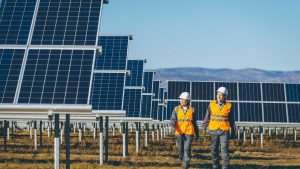
Renewable energy is growing rapidly across London and the UK. Wind power, especially from offshore farms, contributes a substantial share to the grid. Solar energy is also being increasingly used in both residential and commercial buildings. Biomass organic material converted into energy is gaining popularity due to its lower emissions and ability to reuse waste products.
In urban settings, Combined Heat and Power (CHP) systems are often used. These plants simultaneously generate electricity and useful heat from a single fuel source, significantly improving efficiency.
CHP systems are widely deployed in London boroughs to support localised energy solutions. Additionally, waste-to-energy plants, which convert non-recyclable waste into power, help reduce landfill use while producing electricity for the city.
Top 10 Power Generation Companies in London
1. EDF Energy – Powering London with Low-Carbon Electricity

EDF Energy is one of the UK’s most significant contributors to low-carbon electricity. With operations spanning nuclear power, wind, and solar, EDF plays a central role in maintaining the country’s base-load supply especially in London. Its nuclear stations, while outside the city, feed electricity directly into the grid serving millions in the capital.
EDF is also investing heavily in renewable technology, with projects such as solar parks and offshore wind farms. Their presence in London includes residential and business supply contracts, infrastructure upgrades, and involvement in smart metering initiatives.
EDF’s commitment to a sustainable energy future aligns with London’s green objectives. The company’s wide-scale generation capacity and innovation track record ensure that it remains a trusted name in the UK energy sector.
Area of Expertise
Nuclear reliability and renewable growth strategies.
Ideal Choice For
Large-scale users needing consistent low-carbon supply.
- Website: https://www.edfenergy.com
- Address: 3rd Floor, Cardinal Place 80 Victoria Street London, SW1E 5JL
- Email: socialmedia@edfenergy.com
2. National Grid ESO – Keeping London’s Lights On

While not a direct power generator, National Grid ESO (Electricity System Operator) is a vital part of London’s energy stability. It ensures that the electricity produced by other companies is balanced and delivered efficiently through the transmission network. From monitoring demand to managing supply, National Grid ESO coordinates every second of power flow into London.
Their role is increasingly important as more renewable sources are integrated into the grid, and fluctuations in supply become more common. National Grid ESO also leads innovation in smart grid technology, future-proofing the capital’s infrastructure. Their impact, though less visible to consumers, is foundational to the city’s energy resilience and transition to cleaner energy sources.
Core Function
Real-time energy balancing and grid innovation.
Most Suitable For
Infrastructure partners and policy teams managing large-scale energy flow.
- Website: https://www.nationalgrideso.com
- Address: 1-3 Strand, London WC2N 5EH
- Email: commercial.operation@neso.energy
3. SSE – Powering Progress Through Diverse Generation

SSE, or Scottish and Southern Electricity, is a leading generator in the UK energy market with a firm footprint in London. It operates a balanced portfolio that includes gas-fired power stations and renewable assets such as wind farms. SSE is actively involved in developing offshore wind energy, with power from large-scale projects directed into London’s grid.
The company is also pushing innovation through carbon capture research and battery storage systems to improve supply flexibility. Their reputation for reliability and investment in sustainable solutions positions them as one of the most forward-thinking energy providers in the country.
Primary Capability
Flexible energy mix combining gas and wind.
Ideal For
Businesses looking for scalable, reliable energy solutions.
- Website: https://www.sse.com
- Phone: 0800 048 3516
- Address: 1 Waterloo St, London SE1 8RT
4. Centrica – Business-Focused Energy Generation
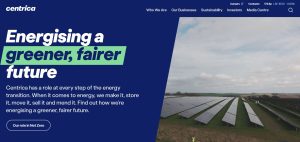
Centrica, the parent company of British Gas Business, is shifting its strategy toward decentralised generation and cleaner technology. While it doesn’t operate massive generation plants in London, its value lies in delivering tailored on-site generation systems for commercial clients, such as solar PV and combined heat and power (CHP).
Centrica’s commitment to green hydrogen, battery storage, and energy efficiency tools makes it an appealing choice for London-based companies aiming to improve their environmental footprint and control energy costs. The company combines traditional expertise with innovative energy-as-a-service solutions.
Special Strength
Decentralised generation for business users.
Best Fit For
Commercial properties and SMEs focusing on self-generation.
- Website: https://www.centrica.com
- Phone: +44 (0)1753 494000
- Address: Millstream, Maidenhead Rd, Windsor SL4 5GD
- Email: GBSResourcing@centrica.com
5. Drax Group – Biomass-Powered Transformation

Drax is a major player in the UK’s transition from coal to renewable energy. The company operates one of the world’s largest biomass power stations, which now supplies low-carbon energy to areas including London.
Although their generation site is in North Yorkshire, the electricity feeds into the grid servicing the capital. Drax is also exploring carbon capture and storage (CCS) as part of its long-term sustainability strategy. Their transformation story from coal to clean biomass represents one of the most ambitious decarbonisation efforts in Europe.
Green Focus
Biomass innovation with carbon capture vision.
Recommended For
Organisations seeking high-volume renewable energy supply.
- Website: https://www.drax.com
- Phone: +44(0)1757 618381
- Address: 7-10 Savoy Hill, London WC2R 0BU
6. RWE UK – Global Scale Meets Local Impact
RWE is a multinational utility with a strong UK arm delivering electricity through flexible gas plants and wind farms. In London, RWE contributes to the energy mix via its grid-connected assets.
The company’s approach balances energy security with an expanding renewables portfolio. RWE also invests in future technologies, including hydrogen and offshore wind, to reduce dependence on fossil fuels. Their scale and strategic presence make them a key figure in supporting London’s power reliability.
Core Operation
High-capacity fossil and renewable generation.
Best Option For
Clients prioritising energy reliability and transition readiness.
- Website: https://www.rwe.com
- Phone: 020 7898 1930
- Address: Windmill Hill Business Park, Swindon SN5 6PB
7. E.ON UK – Smarter Energy for Smarter Cities

E.ON operates across the generation, supply, and smart energy solution chain. In London, the company’s presence is visible through its decentralised solar projects and heat networks.
E.ON is also a leader in customer engagement, offering digital tools and energy monitoring platforms. Their shift towards full sustainability means new investments in electric vehicle charging, battery systems, and community energy projects. For those in London seeking clean energy with modern tech integration, E.ON offers strong value.
Unique Skillset
Integration of generation with digital energy services.
Best Use Case
Homeowners and councils investing in green infrastructure.
- Website: https://www.eonenergy.com
- Phone: 0843 133 1117
- Address: 47-53 Charterhouse St, London EC1M 6PB
8. Veolia Energy UK – Energy with Urban Efficiency

Veolia provides urban energy solutions, particularly in heat and power. The company operates Combined Heat and Power (CHP) plants and district energy schemes across multiple London boroughs.
These systems deliver both electricity and heating, reducing transmission losses and enhancing energy efficiency. Veolia’s role in decentralised generation and sustainability consulting makes it a critical contributor to London’s localised energy targets.
Energy Expertise
CHP and district heating systems for urban centres.
Best Use Scenario
Developers and boroughs seeking integrated local energy systems.
- Website: https://www.veolia.co.uk
- Phone: 020 7812 5000
- Address: 8th Floor, 210 Pentonville Rd, London N1 9JY
- Email: Contact Form
9. Engie UK – Smart Energy for Sustainable Cities
Engie (rebranded to Equans for some services) is known for its smart energy systems and sustainable urban development projects. In London, Engie operates energy centres and infrastructure for large-scale developments like King’s Cross.
The company provides on-site power, heat networks, and energy monitoring platforms, helping clients reduce emissions and improve operational efficiency. Their innovative work in smart cities and energy transitions positions them as a modern solution for forward-thinking property managers and municipalities.
Specialist Role
Delivering smart, low-carbon city energy systems.
Ideal Application
Regeneration zones and smart building projects.
- Website: https://www.engie.co.uk
- Phone: 0800 130 3600
- Address: Floor 4, Broadgate Tower, 201 Bishopsgate, London EC2M 3AB
10. Viridor Energy – Turning Waste into Renewable Power

Viridor is a leading waste-to-energy provider that transforms non-recyclable materials into electricity. In London, its Beddington Energy Recovery Facility processes thousands of tonnes of waste each year, generating power for local use. This model supports both clean energy goals and waste reduction targets.
Viridor’s contribution to the circular economy has earned recognition across the environmental and energy sectors. Their reliable and sustainable operation is a benchmark for modern urban power generation.
Operational Strength
Waste-to-energy transformation with circular economy focus.
Most Relevant For
Municipal contracts and sustainability-driven energy users.
- Website: https://www.viridor.co.uk
- Address: Beddington ERF, Beddington Lane, Croydon CR0 4TH
- Email: Contact Form
How Do These Power Companies Compare in Capacity and Services?
| Company | Power Output | Energy Type | Renewable Focus | Google Rating |
| EDF Energy | High | Nuclear, Solar, Wind | Strong | 4.2/5 |
| National Grid ESO | N/A | Grid Management | Indirect | 4.4/5 |
| SSE | High | Gas, Wind | Moderate | 4.1/5 |
| Centrica | Moderate | Gas, Hydrogen, Solar | Growing | 3.9/5 |
| Drax Group | Very High | Biomass | Strong | 4.0/5 |
| RWE UK | High | Gas, Wind | Moderate | 3.8/5 |
| E.ON UK | Moderate | Mixed (Renewables focus) | Strong | 4.0/5 |
| Veolia UK | Moderate | CHP, District Heating | Yes | 4.2/5 |
| Engie UK | Moderate | Smart & Local Energy | Strong | 4.0/5 |
| Viridor Energy | Moderate | Waste-to-Energy | Core Business | 4.3/5 |
What Is the Future of Power Generation in London?
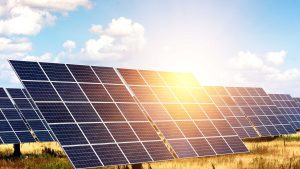
London’s energy future is shaped by its ambition to be a net-zero city by 2050. This will require massive changes in how energy is produced, stored, and used. Renewable generation will dominate the city’s future power mix, supported by smart grid technologies and battery storage systems to manage fluctuating supply.
Decentralised energy networks, particularly those powered by heat recovery and solar, are expected to increase across boroughs. Innovation in green hydrogen and carbon capture will also play crucial roles. Power generation companies that adapt early to these technologies will help drive London’s energy transformation while gaining competitive advantages.
How Can Businesses and Residents Benefit from Choosing the Right Energy Provider?
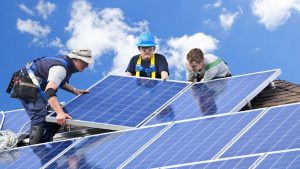
For both businesses and homeowners, selecting an energy provider that also engages in power generation can offer clear benefits. Providers with their own generation assets often offer more stable pricing models, especially when entering into direct purchase agreements.
Moreover, sourcing energy from companies that invest in renewables helps lower carbon footprints and supports broader environmental goals. Many of these providers also offer innovative services such as real-time energy tracking, usage optimisation, and tailored green solutions, enabling users to save money while contributing to sustainability.
Conclusion
The companies featured here are powering London’s present while shaping its sustainable future. From large-scale nuclear to innovative green solutions, each plays a vital role in the city’s energy ecosystem. Choosing the right power generation company means supporting reliability, innovation, and a cleaner London for generations to come.
Let me know if you’d like this added to the full blog or repurposed for meta content or social snippets!
FAQs About Power Generation Companies in London
What is the difference between power generation and electricity supply?
Power generation is the production of electricity, while supply refers to delivering that electricity to end users via the grid.
Who regulates energy generation companies in the UK?
Ofgem is the main regulatory authority responsible for licensing, oversight, and enforcing sustainability compliance.
Can businesses choose their power generator directly in London?
Most businesses purchase electricity from suppliers, but large corporations can enter direct agreements with generators through Power Purchase Agreements (PPAs).
How are renewable energy targets influencing London’s providers?
Providers are increasing investment in solar, wind, and biomass to meet legal obligations and public demand for cleaner energy.
Are there power generation companies focused only on green energy?
Yes, companies like Drax and Viridor focus entirely on renewable or low-carbon energy generation.
What is the role of National Grid ESO in energy production?
National Grid ESO manages electricity flow across the UK grid but does not generate electricity itself.
How do power companies maintain reliability during high demand periods?
They use flexible generation assets, battery storage, and grid balancing mechanisms to ensure uninterrupted power supply.